Fleet Operators · · 6 min read
Insurance Is the Business Model: How I Think About Coverage for a Luxury Rental Fleet
Owners obsess over the purchase price and the day rate. The number that decides whether a fleet survives is usually the one sitting in the insurance file.
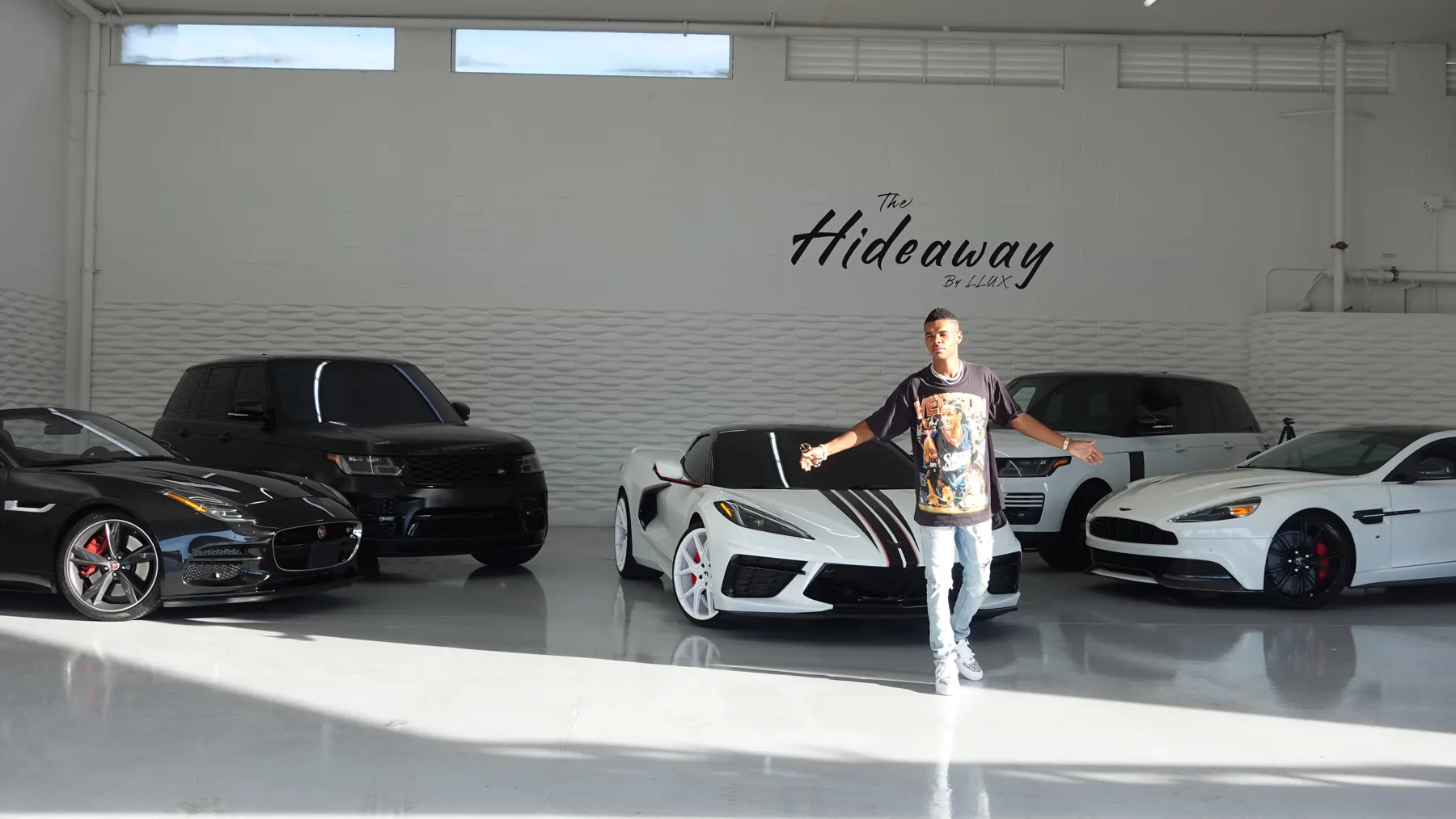
When someone tells me they want to start a luxury rental business, the conversation almost always starts with the car. Which model, what it costs, what it rents for on a Saturday in Scottsdale. I get it. The car is the exciting part. But after years of running Royal Rentals, I've come to believe something that surprises a lot of new operators: in this business, insurance is not a line item. It's closer to the business model itself.
A car that earns well but isn't properly covered is not an asset. It's an open-ended liability with a nice paint job. One bad weekend can erase a year of bookings. So before I think about rates or marketing for a car, I think about how it's protected.
What follows is my own operating perspective. It's education, not insurance, legal or financial advice. Coverage rules, carrier appetite and requirements vary by state and change over time, so every owner should work with a licensed insurance professional and their own attorney.
Personal coverage and rental coverage are different worlds
The first mistake I see is an owner assuming the policy they already have on a car will follow it onto a rental platform. In my experience, that assumption is where the most expensive surprises come from. A personal auto policy is generally written for you and your household driving the car. Renting a car to the public for money is a different activity with a different risk profile, and many personal policies are not designed for it.
So the first question I ask about any car, ours or an owner's, is simple: what exactly covers this vehicle while a paying guest has the keys? Not in general. In writing. If nobody can answer that clearly, the car doesn't go on the line yet.
The layers I want to understand
I don't need every owner to become an insurance expert. I do want them to understand that protection usually comes in layers, and each layer answers a different question:
- Liability. If a guest injures someone or damages someone else's property, what responds and up to what limit? With high-performance cars, I think about this layer first.
- Physical damage. If the car itself is damaged or stolen, what pays to repair or replace it, and how is the car's value determined?
- Loss of use. While a damaged car sits in a body shop, it isn't earning. Does anything address that downtime, and how is it documented?
- The guest's own coverage. What the renter brings, and what they're required to show before pickup, matters, but I never build the whole plan on it.
Platform protection plans, commercial policies and guest coverage can all play a role depending on how a business is set up. The point is to know which layer answers which question before something happens, not after.
Exotic cars break the normal math
A minor accident in an everyday sedan might mean a bumper and a few days in a shop. In an exotic, the same tap can mean specialized parts, long lead times and a repair bill that looks like a down payment. I've seen simple cosmetic damage take weeks because a part had to come from overseas.
That changes how I think about deductibles and reserves. A higher deductible might lower a premium, but it also means the business is carrying more of every incident itself. That's one reason I keep the cash cushion I wrote about in reserves before expansion. Insurance and reserves work together. One handles the catastrophic, the other handles the frequent.
The cheapest claim is the one that never happens
Coverage is the backstop. The real work is risk screening, and that happens long before the keys move.
- Who is driving. Verified identity, a valid license, driving history and age requirements appropriate to the car. A Lamborghini Urus and an Escalade are not the same risk, and I don't screen them the same way.
- What the trip is. A dinner in Scottsdale and a multi-state road trip are different exposures. I ask, and I price and approve accordingly.
- Who else might drive. Additional drivers get listed and screened. A car handed to an unlisted friend is a coverage problem waiting to happen.
- How the car comes back. Timestamped photos and video at handoff and return. I covered the full process in deposits, documentation and inspections.
Every booking I decline for risk reasons is revenue I give up. I've made peace with that. The bookings you say no to are part of what keeps the rest of the fleet insurable.
Claims readiness is an operating skill
When an incident happens, the operators who recover fastest are the ones whose paperwork was already organized. I think of it as claims readiness, and it is a habit, not a reaction.
For every car, I want a clean file: purchase documents, current photos, service records, the rental agreement for each booking and the inspection records at each handoff. When something goes wrong, I want to send a complete package the same day instead of hunting through text messages. The same discipline that keeps a fleet P&L honest keeps a claim moving.
How you treat the guest matters too. Even when an incident is stressful, staying calm, documenting facts and communicating professionally protects the relationship and the record. I wrote about that mindset in service recovery when things go wrong.
Insurance changes which cars I buy
This is the part new operators rarely consider: protection costs and availability should influence the acquisition itself. Before I add a car, I want a realistic sense of what it will cost to cover, how repairs work for that model and how long downtime might last if something happens. A car with a beautiful day rate can still be a weak asset if it's expensive to protect and slow to fix.
That thinking runs through my first rental car underwriting checklist. The purchase price is only the beginning of what a car really costs to own and operate.
What I tell owners who list with us
When an owner wants Royal Rentals to manage their car, coverage is one of our first conversations, not a detail we handle at the end. Where the car is covered, who is responsible for what, what happens to income during repairs and how incidents get reported. Clear answers up front are what make a partnership work, which is a big part of what I mean by professional fleet management.
Protection is what lets you play long
Anyone can put a car online and get a booking. Staying in business for years is a different game. The operators I respect most aren't the ones with the flashiest lineup. They're the ones who understood that their real job was managing risk, and that the car was just where the risk happened to live.
Get the protection right first. Then the bookings you earn actually get to stay earned.