Origin · · 3 min read
The Last Few Dollars: Why I Spent Them on Education Instead of Inventory
When I bet on myself, I didn't have money for a fleet. I had a few dollars and a choice: buy something to resell, or buy knowledge I could use for the rest of my life.
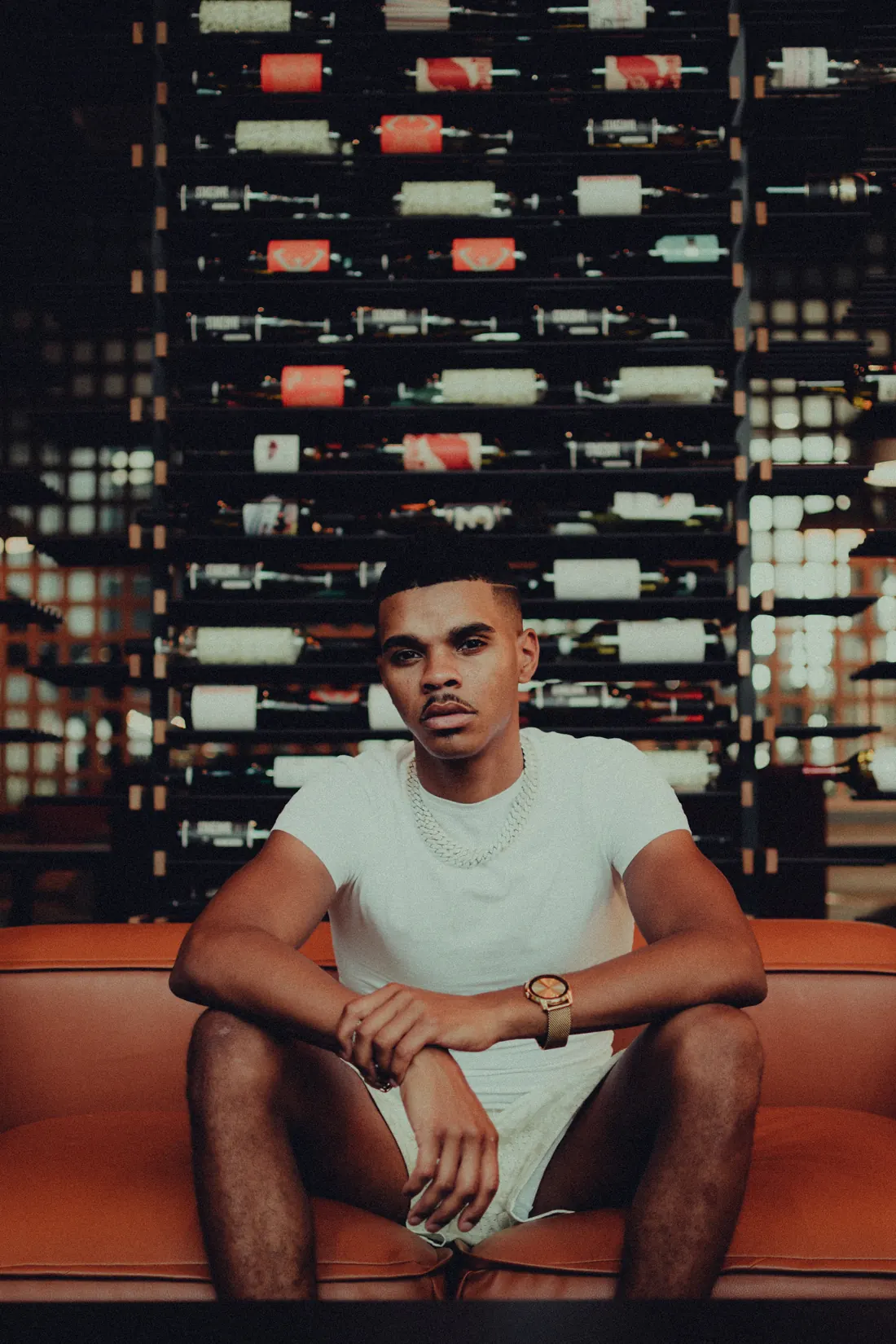
There's a moment in my story that people tend to skip past. After years of landscaping as a kid and long shifts in the oil field, I finally decided to bet on myself. That part makes a good headline. What came next is less exciting and more important: I had almost nothing to bet with.
I had a few dollars and no credit at all. No file, no history, no lender who had any reason to say yes. I could have used that money to buy something and try to flip it. Instead, I spent it on courses about credit and business funding. Looking back, that was the most important purchase I ever made.
Inventory runs out. Knowledge compounds.
If you buy something to resell, the best case is that you sell it once and buy another one. You're still trading time and money for a single transaction. When you buy knowledge you can actually apply, you get to use it again and again. I didn't understand compounding the way I do now, but I understood that I needed something that would keep paying me back after the first use.
What I learned in those courses became the way I built my own credit, starting from nothing. It became how I eventually obtained business credit and personal lines of credit. And years later it became the foundation of Credit Cure. One small purchase turned into a company.
How I decided what to learn
I didn't buy everything that looked interesting. I asked one question: what is the bottleneck standing between me and the next step? For me, it was obvious. Without credit, there was no capital. Without capital, there was no fleet, no location, no way to scale. So credit and funding came first, and everything else waited.
I still use that question. When a founder in Asset Academy tells me they want to learn marketing, real estate, trading and branding all at once, I ask them what is actually blocking them right now. Usually it's one thing. Learn that thing first.
Paying for it changed how I paid attention
Those courses weren't free, and that mattered. When you spend your last few dollars on something, you don't skim it. I took notes. I re-watched sections. I applied each lesson before moving to the next. I wasn't collecting information. I was trying to change my situation.
That's part of why I believe in paid rooms for serious learning. Commitment changes attention. When you have something on the line, you show up differently.
Applying it was the real course
The content was the start. The real education was applying it to my own file. I made mistakes. I heard no from lenders. I learned which advice fit my situation and which didn't. No course can do that part for you. The goal of learning isn't to know more than everyone else. It's to do something different on Monday than you did on Friday.
- Find the bottleneck. Learn the one thing that unlocks the next step.
- Pay attention like it costs something. Because it does: your time, your money, your future.
- Apply before you move on. A lesson you haven't used is just entertainment.
- Keep the receipts. Write down what you tried and what happened. That becomes your own playbook.
The trap of always learning
There's another side to this. Some people fall in love with learning and never start. They buy course after course, join group after group, and stay in preparation mode for years. I understand the appeal. Learning feels productive and it doesn't carry the risk of doing.
The way I protect against that is simple: every new thing I learn has to connect to an action I'll take within the week. If I can't name the action, I'm not ready to buy the lesson. That rule kept my early spending focused, and it still keeps me honest now that I have more resources and more options.
What I'd tell myself back then
I'd tell him he made the right call. Not because every dollar spent on education is a good one, but because he spent it on the right subject, at the right time, and actually used it. I am my best investment. That started with a few dollars and a decision to learn before I tried to earn.
If you're sitting with a little bit of money and a lot of ambition, don't ask what you can buy and resell. Ask what you need to know that you'll use for the rest of your life.