Fleet Operators · · 6 min read
Before I Buy: How I Spec a Luxury Car for a Rental Fleet
Most fleet mistakes are made at the moment of purchase. The color, the trim, the warranty and the service network decide more about a car's life on the line than the day rate ever will.
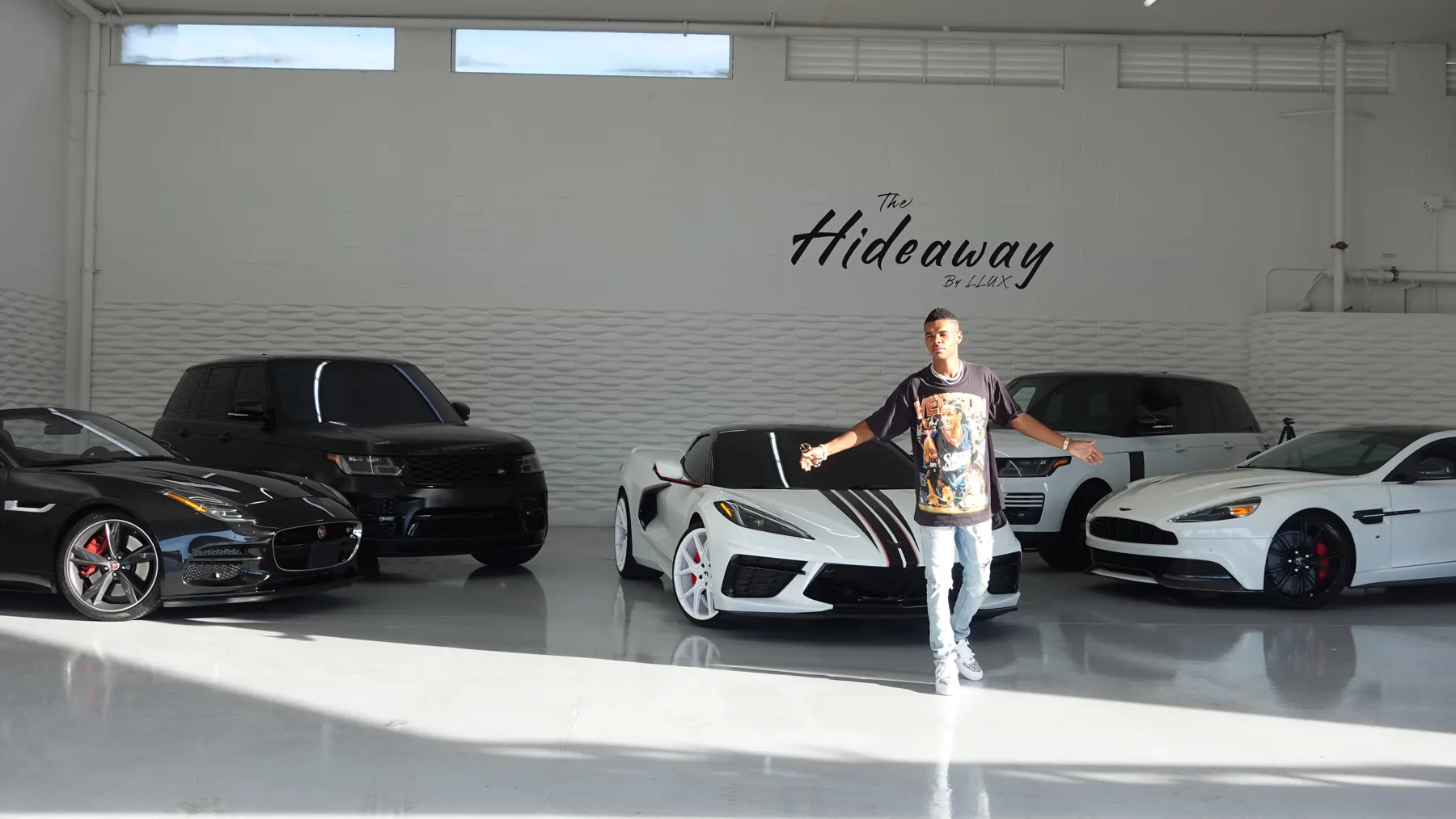
People ask me what the best car is for a rental fleet. It's a fair question, but it's the wrong starting point. The better question is: what is this car supposed to do for the business, and does this exact car, in this exact spec, do it? Two cars with the same badge can live completely different lives on the line depending on how they were bought.
Over the years of building Royal Rentals, I've learned that a lot of the outcomes people blame on the market or on guests were actually locked in the day the car was purchased. The wrong color sits. The wrong trim confuses guests who booked from a photo. A car with no realistic service path spends weeks waiting on a part. None of that shows up in the listing price.
So here is how I think about it before money moves. This is my own operating perspective, not financial, tax or legal advice. Every market and every owner's situation is different, and anyone buying a vehicle for business use should run the numbers with their own CPA and advisors.
Start with the job, not the car
Every car in a fleet has a job. Some cars are the headline. They're the reason someone finds you, the car in the photos, the one people ask about for a birthday or a shoot. Other cars are the workhorses. They book steadily, they're easy for guests to drive and they keep the calendar full on a Tuesday in August.
Before I look at a single listing, I write down which job the car is being hired for. A headline car can justify a higher acquisition cost if it brings attention to everything else. A workhorse has to make sense on utilization alone. When owners skip this step, they end up with a garage full of expensive headline cars competing with each other for the same weekend.
Model year is a decision, not a default
The newest model year isn't automatically the right one. Sometimes a generation that has been on the road for a couple of years is the smarter buy: the early issues are known, parts are in the supply chain, and independent shops have learned the car. Other times, a new generation is exactly what the market wants and guests will book it because it's new.
What I try to avoid is buying at a point where the car is about to look dated. If a redesign is coming soon, the car I buy today may feel old to guests faster than I planned. I want to know where the car sits in its life cycle before I commit to it.
Color and spec are revenue decisions
This is the part new owners underestimate the most. In my experience, guests book with their eyes. They see a car in a photo and they picture themselves in it at a dinner, a wedding or a night out. Color matters. Interior matters. Wheels matter.
I lean toward specs that photograph well and appeal broadly. A bold color can work beautifully on a headline car if it fits the brand and the market. On a workhorse, I usually want something classic that won't limit who books it. And I'm careful with options that add cost but nothing a guest will ever notice or pay for.
A few spec questions I always ask:
- Will this look premium in photos and in person? If the car doesn't sell itself in a picture, marketing has to work harder for it every single week.
- Is it easy to drive for someone who has never been in one? Complicated controls create nervous guests, and nervous guests create problems at the handoff.
- Does the spec match what we'll advertise? If the photo shows one trim and the guest gets another, trust erodes immediately.
- Will this spec matter to the next buyer? Eventually the car leaves the fleet. A spec that's hard to resell costs money on the back end.
Warranty and service access come before the deposit
A car that can't be serviced quickly is a car that isn't earning. Before I buy, I want to understand what coverage remains on the car, what it actually covers, and how a business-use vehicle is treated. I read the terms. I don't assume.
Then I look at service access in the market where the car will live. Is there a dealer nearby? Is there an independent shop we trust that knows this platform? How long do common parts usually take to arrive? I learned a lot about this from my time around repair work, including the shop experience in Dubai's Business Bay. Uptime is a service relationship as much as it is a car. If the nearest qualified technician is far away or booked out for weeks, that's a real cost that belongs in the acquisition math.
Inspect it like you're the guest and the mechanic
Before purchase, I want an independent pre-purchase inspection on anything that isn't brand new. I want the history reviewed. I want to know how it was maintained and whether anything has been modified. I'm looking for the things a guest would notice, like interior wear, curb rash and odors, and the things a mechanic would notice, like leaks, warning codes and uneven tire wear.
I'd rather lose a deal over an inspection than buy a car that starts its fleet life in the shop. There's always another car. There isn't always another season.
Know how you're paying for it
How a car is financed shapes how much pressure it carries from day one. A big payment on a car that needs a perfect calendar to break even is a fragile position. I want to know what the car has to earn each month just to stand still, and whether that number holds up in the slow season, not just in peak months in Scottsdale.
This is also where credit discipline shows up in the fleet business. The terms you qualify for are shaped by the profile you've built long before you walk into the dealership. My own journey with credit is personal history, not a promise about anyone else's results, but it taught me that the cost of capital is part of the car.
Plan the exit at the entrance
The last thing I think about before buying is when and how the car will eventually leave the fleet. Mileage targets, condition standards and the market for that model all shape the answer. A car bought with a clear exit plan gets managed differently than one bought on emotion.
The checklist I come back to
- What job is this car hired for: headline or workhorse?
- Where is this model year in its life cycle?
- Will this color and spec book well and resell well?
- What coverage remains, and how is business use treated?
- Who services it locally, and how fast?
- Has it passed an independent inspection?
- What does it need to earn each month in the slow season?
- What's the exit plan?
A fleet is built one purchase at a time. Get the purchase right and the car makes operating easier. Get it wrong and you spend the next two years managing around a decision you made in an afternoon. I'd rather slow down at the start.
— Zay Hampton