Dubai · · 3 min read
Two Desert Cities: What Scottsdale and Dubai Taught Me About Luxury Service
Scottsdale and Dubai sit half a world apart, but they have a lot in common: heat, luxury and clients who expect perfection. Here's what each city taught me.
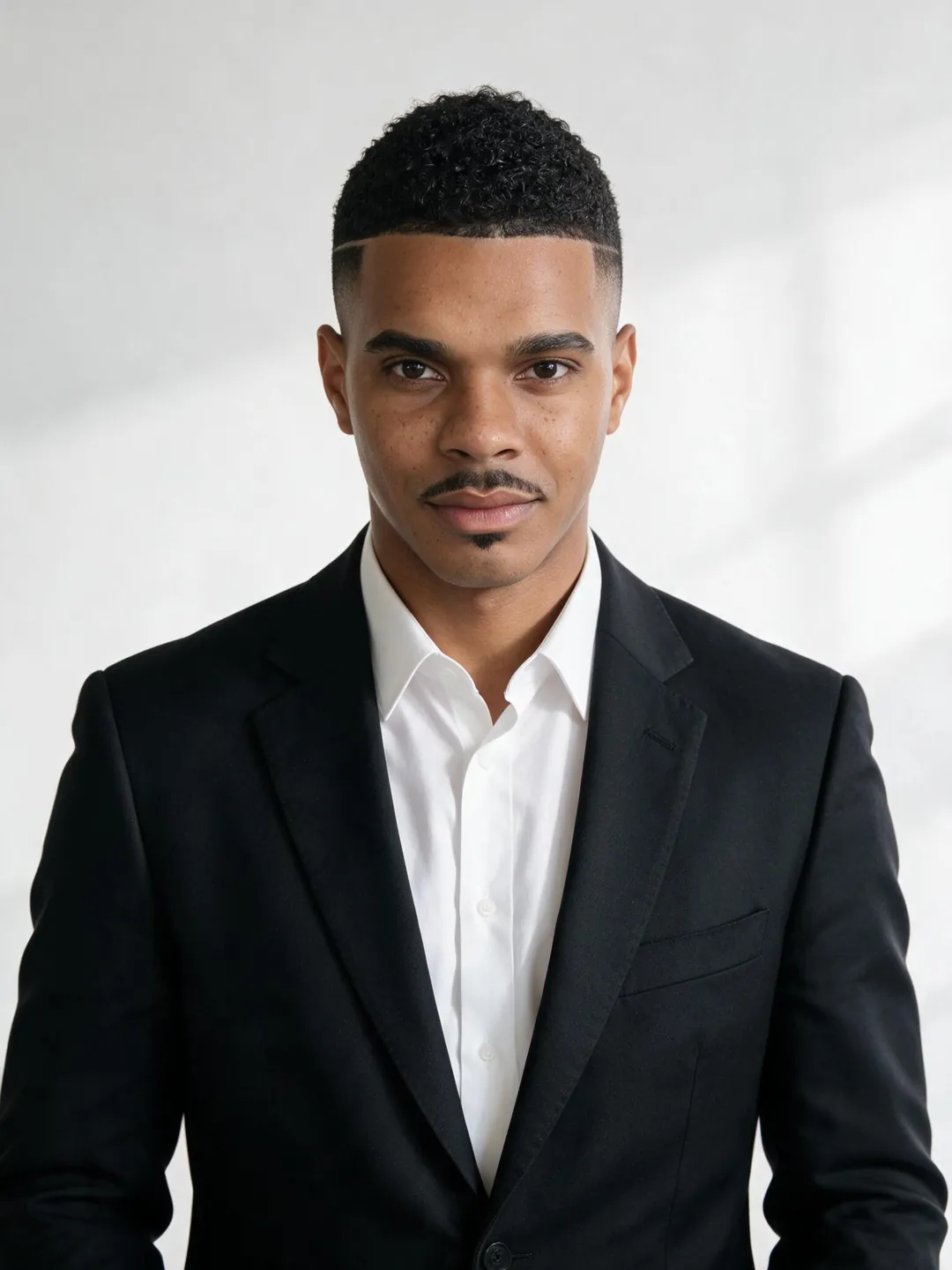
I've spent a lot of time thinking about two desert cities. Scottsdale is where Royal Rentals runs one of its own locations. Dubai's Business Bay is where my relationships span real estate and an automotive repair and rental shop. On a map they couldn't be further apart. In practice, they've taught me remarkably similar lessons about luxury and service.
Lesson one: heat is an operations problem
In both cities, the climate shapes the business. Extreme summer heat is hard on tires, batteries, cooling systems and interiors. A vehicle that's flawless in March can develop issues by August if it isn't maintained with the climate in mind. In both markets, maintenance isn't a schedule on paper. It's a discipline you live by, because the environment punishes shortcuts.
Lesson two: luxury expectations are global
The client who rents a Rolls-Royce in Scottsdale in February may be in Dubai in March. They don't adjust their expectations by country. The car has to be perfect, the timing has to be right and the communication has to be clear. Working across both markets reminded me that luxury service is a single standard, not a local one.
Lesson three: relationships travel further than ads
My connections in Dubai didn't come from a marketing campaign. They came from trust built over time, through people who had seen how I operate. That's the same way our best relationships in Scottsdale formed: lifestyle managers, resort teams and private clients who recommended us because we delivered. In both cities, reputation is the real currency.
Lesson four: repair and rental belong together
The Business Bay shop combines automotive repair and rentals, and that pairing makes a lot of sense. When you control the maintenance side, vehicles come back into service faster and you understand each car more deeply. It's a model that sharpened how I think about fleet health everywhere, including back home.
Lesson five: systems let you be in two places at once
Operating between Arizona, the Carolinas and the UAE means accepting that I can't personally be present for everything. What travels across time zones is the system: documented standards, clear checklists and people on the ground with the authority to make decisions. That's the same advice I give fleet operators building their first few cars. It just scales up.
Where the cities differ
The differences matter too. Regulations, business culture, licensing and the pace of real estate development are very different between the U.S. and the UAE. I approach each market with local partners and local advisors rather than assuming what works in one place will work the same way in another. Humility is part of operating globally.
What I'd tell an operator considering a second market
Founders sometimes ask me whether they should expand into a new city or even a new country. My answer is always the same: prove the system at home first. If your operation still depends on you personally answering every call and fixing every problem, a second market will multiply the stress, not the success. Document your standards, train people you trust, and find local partners who understand the rules where you're going. Expansion should be the reward for a business that already runs well, not a rescue plan for one that doesn't.
Why this matters for global acquisitions
These lessons shape how I look at global acquisitions, land and new construction today. Every market has its own rules, but the questions stay consistent: Who is the operator? How are things documented? What's the downside? And can the standard travel?
If you're a partner, investor, hospitality group or lifestyle manager working between the U.S. and Dubai, I'd be glad to connect.