Dubai · · 3 min read
What UAE Service Culture Taught Me About U.S. Luxury Clients
Different cities teach the same lesson in different accents: luxury is how you make people feel when nobody is filming.
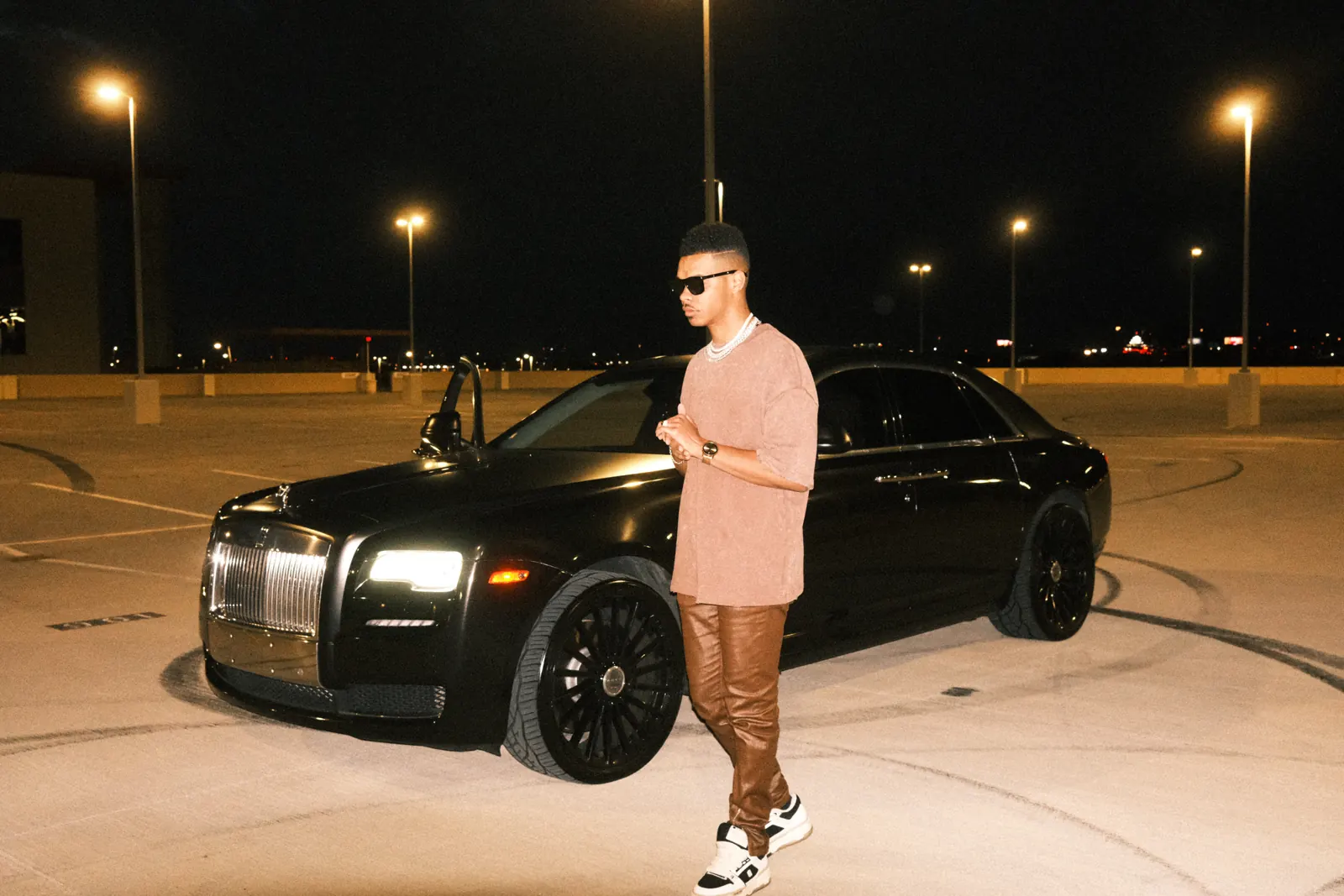
Spending time around Business Bay and the broader Dubai automotive and real estate world changed how I hear complaints — and compliments — from clients back in the States. The products look similar on Instagram: exotic cars, polished lobbies, people who expect things to work. The standard underneath is not always the same.
This isn't a ranking of countries. It's what I noticed, and what I brought home into how we run hospitality around Royal Rentals.
Speed is assumed, not praised
In many UAE luxury settings, fast response is the baseline. A slow reply isn't quirky; it's a broken promise. U.S. clients in Scottsdale, Miami or Los Angeles are not identical, but the ones who work with lifestyle managers increasingly expect that same tempo. If you need four hours to answer a simple availability question, you're already behind someone who answered in four minutes.
Discretion travels
Privacy culture around high-profile clients in the Gulf is serious. That matched what I already believed: the car is the product, the client is not content. Bringing that posture into U.S. markets isn't about copying a city. It's about respecting people who chose you because they don't want a circus.
Presentation includes the boring parts
- Cars that are actually clean in the seams, not just wiped for a photo.
- Staff who know the booking without shuffling papers in front of the guest.
- Spaces and handoffs that feel intentional even when the stop is five minutes.
U.S. operators sometimes over-index on the highlight reel and under-invest in the unsexy checklist. Dubai's best operators reminded me that the checklist is the brand.
Follow-through after the yes
Another pattern: the relationship doesn't end when the invoice is paid. Updates, confirmations and a calm recovery when something slips are part of the sale. I've watched American companies win the booking and lose the referral because nobody owned the after. I try to run our markets — owned operations in Scottsdale/Phoenix and Charlotte, partners in Miami, Las Vegas and Los Angeles — with the opposite habit.
What U.S. clients still teach
American luxury clients, especially in entrepreneur and entertainment circles, often want warmth with their precision. Not stiffness. Not a script. A human who can be both exact and easy to deal with. The UAE sharpened my standards; home markets keep me from turning standards into coldness.
No mythology about deals
Being in Dubai also means hearing a lot of talk about buildings, land and “opportunities.” I treat that the same way I treat any market: verify, read structure, use advisers and never confuse a tour with a commitment. Cross-border exposure is education. It is not a shortcut past due diligence.
Humility across markets
Every market has operators who get this right and operators who don't. Scottsdale has teams that execute at a global level. Dubai has tours that overpromise. The point of traveling and paying attention isn't to romanticize one city. It's to steal the best habits: faster replies, cleaner cars, tighter privacy and follow-through that survives the booking confirmation.
Then you test those habits at home, on ordinary weekdays, when nobody from out of town is watching. That's when you know whether the standard is real.
I also watch how teams handle the word "no." In strong luxury cultures, a clear no with an alternative beats a soft yes that collapses on the day of. Bringing that honesty into U.S. client conversations has saved more relationships than any last-minute scramble ever did.
Service culture is portable. You don't need to relocate to raise your bar. You need to decide that the client's time, privacy and first impression are non-negotiable — then build operations that make that decision true on a Tuesday in Phoenix the same way it would be true on a Thursday in Business Bay.